Packing and load
Packing to a weight limit: the arithmetic before the folding
Work backwards from the allowance. Subtract the empty case, subtract the heavy items you cannot leave, and pack clothing into whatever is left.
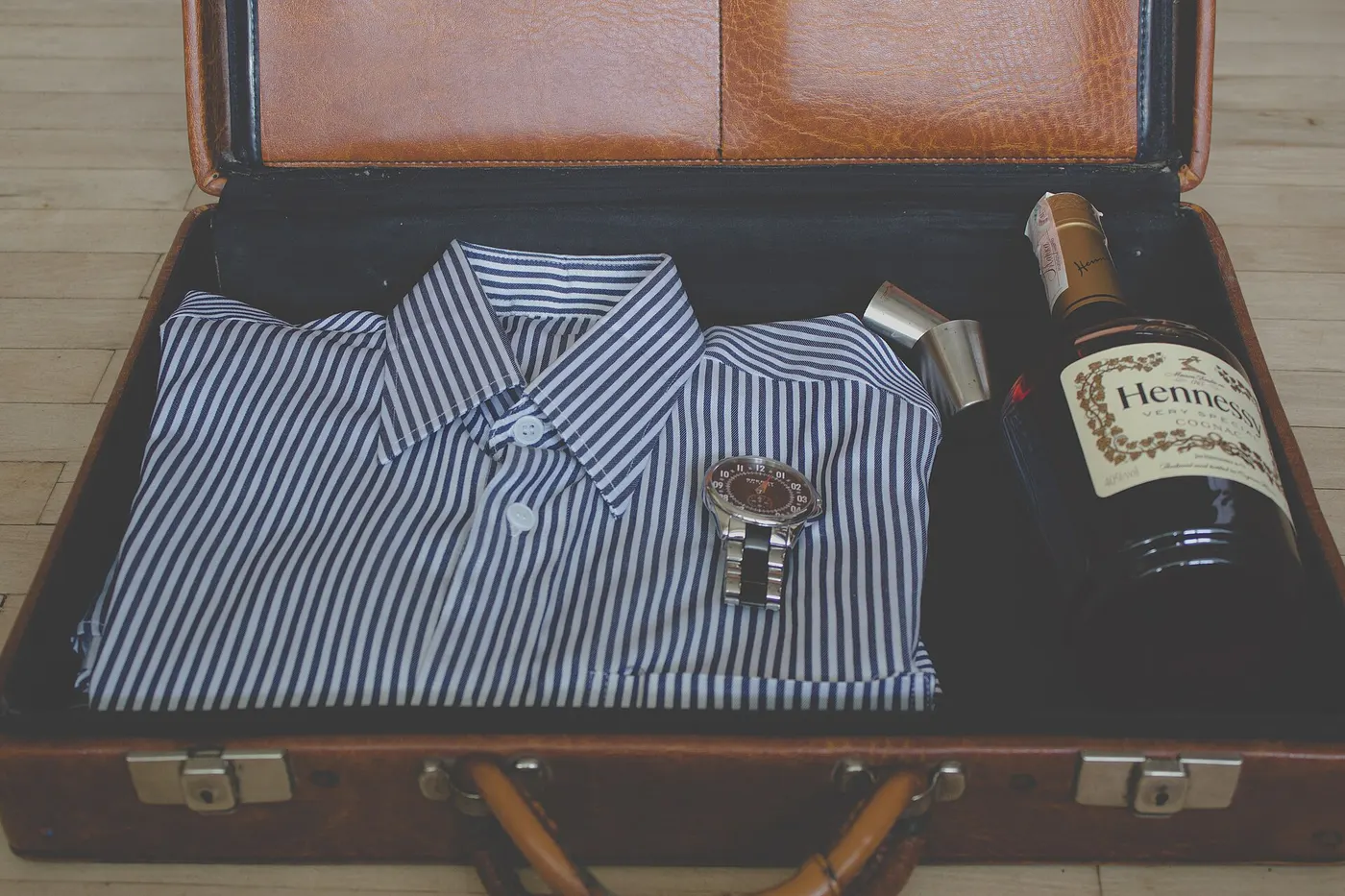
Over-packing is not a discipline problem. It is an arithmetic problem: people pack into a volume and then discover they were being measured on a mass. The volume is generous and the mass is not.
This guide works backwards from the allowance in the order weight actually accumulates: the case, then the things that cannot be left behind, then clothing. All allowances used here are illustrations; the binding figure is the one printed on your own ticket, and the packed-weight calculator on this site takes your own numbers.
It is a sum a lot of households run. The Australian Bureau of Statistics counted 986,250 short-term return trips by Australian residents in August 2026 alone, and every one of them started with somebody packing to a limit.
Subtract the case first
The case is the only item you are certain to carry, so it comes out of the allowance before anything else. Against an illustrative 7 kg cabin allowance, a 1.8 kg case leaves 5.2 kg and a 2.6 kg case leaves 4.4 kg. Expressed as a share of the allowance that is 26% against 37%.
On an illustrative 23 kg checked allowance the proportions shrink but the absolute figures grow. A 3.4 kg case leaves 19.6 kg, a 4.2 kg case leaves 18.8 kg and a 5.0 kg case leaves 18.0 kg. The spread between the lightest and heaviest of those three is 1.6 kg, which is a pair of boots.
Weigh the empty case rather than trusting the specification sheet. Handles, straps, a fitted laundry bag and packing cubes are often supplied with the case and are often not in its published empty weight.
| Case empty weight | Allowance used as the example | Payload left | Share of allowance the case takes |
|---|---|---|---|
| 1.8 kg | 7 kg cabin | 5.2 kg | 26% |
| 2.6 kg | 7 kg cabin | 4.4 kg | 37% |
| 3.4 kg | 23 kg checked | 19.6 kg | 15% |
| 4.2 kg | 23 kg checked | 18.8 kg | 18% |
| 5.0 kg | 23 kg checked | 18.0 kg | 22% |
Identical figures to the choosing guide on this site, deliberately, so the two can be used together. The 7 kg and 23 kg allowances are illustrations only.
Then subtract the things that are not clothes
A laptop and charger, a camera, shoes, a toiletry bag and a book are the five items that quietly consume a cabin allowance. Weigh them once, write the figures on a note in your phone, and reuse the list on every trip. The weighing takes 10 minutes once and is never repeated.
Shoes are the single heaviest clothing-adjacent item and the one most often packed in duplicate. A pair of leather boots is commonly 1.2 to 1.6 kg, which against a 4.4 kg cabin payload is between 27% and 36% of everything you can take. Worn rather than packed, they cost nothing against the allowance.
The same trick applies to the heaviest coat. Anything worn through the gate is outside the measurement, which is a real and legitimate saving rather than a trick, and it is the reason experienced travellers are overdressed in airports.
- Weigh the five heavy non-clothing items once and keep the list in your phone
- Wear the heaviest shoes and the heaviest coat rather than packing them
- A laptop plus charger is commonly 1.5 to 2.5 kg and is usually the single largest item
- Decant toiletries; full-size bottles are mostly water and mostly unnecessary
- Books are heavier than anyone estimates, at roughly 300 to 500 g each
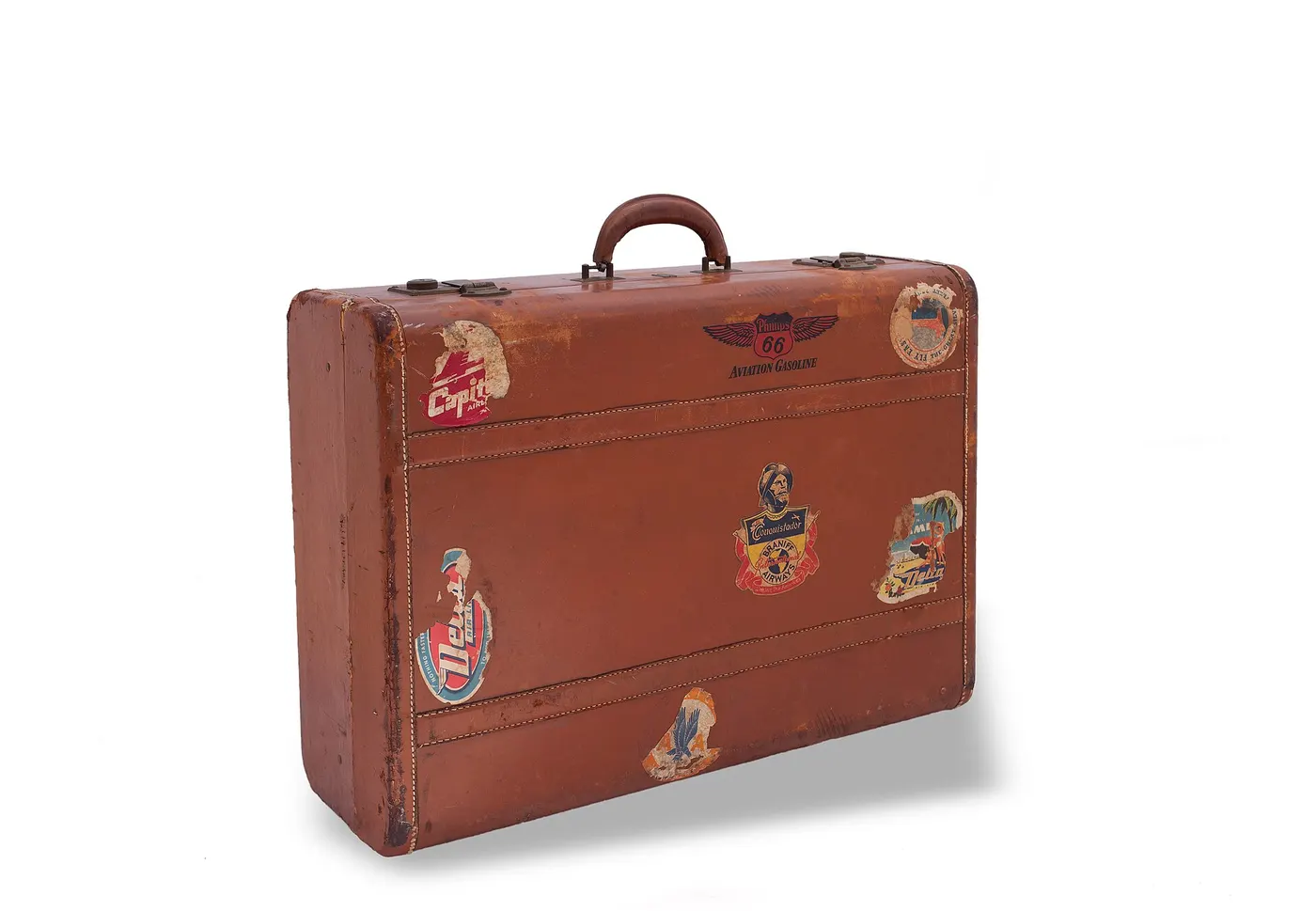
Pack clothing into what is left, counted in outfits
Whatever remains after the case and the heavy items is the clothing budget. On the 2.6 kg cabin case example that is 4.4 kg minus the laptop and shoes, which commonly leaves 1.5 to 2.5 kg — four or five changes, not ten.
Count outfits rather than garments and plan around a laundry day. A four day trip and a ten day trip need almost the same packing list if there is a washing machine somewhere in the middle, and the difference between them is 30 minutes of laundry rather than 3 kg of clothes.
Compression helps volume and does nothing for mass. Packing cubes make a case close; they do not make it lighter, and they add 100 to 250 g of their own. Use them to organise, not to solve a weight problem.
| Line | Weight | Running total against 7 kg |
|---|---|---|
| Allowance used as the example | 7.0 kg | 7.0 kg remaining |
| Case, empty | 2.6 kg | 4.4 kg remaining |
| Laptop and charger | 1.8 kg | 2.6 kg remaining |
| Toiletries, decanted | 0.4 kg | 2.2 kg remaining |
| Spare shoes (second pair) | 0.9 kg | 1.3 kg remaining |
| Clothing | 1.3 kg | 0 kg remaining |
Every figure in this table is an illustration. Substituting a 1.8 kg case and wearing the second pair of shoes releases 1.7 kg, which more than doubles the clothing line.
Weigh it before you leave, and know what the trip home will add
Bathroom scales do this perfectly well: stand on them, note the figure, stand on them holding the packed bag, and subtract. It takes 2 minutes and it is the only weighing that happens somewhere a correction is free.
Then plan for the return. Gifts, purchases and wet clothing routinely add 1 to 3 kg on the way home, which on a 7 kg cabin allowance is the whole margin. Packing to the limit outbound guarantees a problem inbound, so the outbound target should be roughly 85% of the allowance.
If you are bringing goods back from overseas, the costs of the purchase itself are worth checking before the suitcase is the constraint. business.gov.au states that most imports are subject to 10% goods and services tax and that goods valued up to A$1,000 can generally be imported without a formal import declaration — thresholds that apply to goods arriving as freight, and a useful reference point for what a large purchase abroad implies.
One last point about the case itself rather than its contents. If a zip splits or a wheel shears on an early trip, the consumer guarantees in the Australian Consumer Law sit underneath any manufacturer warranty, and the Australian Consumer Law site states that those rules protect buyers anywhere in Australia and apply uniformly across every state and territory. Photograph the damage on the day and keep it with the receipt.
Before you buy
- Weigh the empty case yourself rather than trusting the published figure
- Subtract the case from the allowance before listing anything else
- Weigh the five heaviest non-clothing items once and keep the list in your phone
- Wear the heaviest shoes and the heaviest coat through the gate
- Count outfits with a laundry day, not garments for every day
- Target about 85% of the allowance outbound to leave room for the trip home
- Weigh the packed bag on bathroom scales using the subtraction method before you leave
Questions readers ask
- Do packing cubes save weight?
- No. They save volume and they add 100 to 250 g of their own. They are worth carrying when the case is hard to close or when you need to find one category of clothing without unpacking the rest. They are not a response to being over the allowance, and on a 7 kg cabin limit they make the problem slightly worse.
- How accurate are bathroom scales for this?
- Accurate enough. The subtraction method — your weight, then your weight holding the bag — is typically within 0.3 kg, which matters only if you are packing to within 0.3 kg of the limit. Packing to about 85% of the allowance makes the accuracy question disappear entirely.
- What is a realistic clothing weight for a week away?
- About 2.5 to 4 kg for most people, counting four or five changes with a laundry day in the middle. The variable that moves it most is shoes: each additional pair is 0.6 to 1.6 kg, which is a quarter to a third of the whole clothing line.
- Should I pack to the limit if I am checking a bag?
- Leave about 15% of the allowance unused. On an illustrative 23 kg allowance with a 4.2 kg case, the usable 18.8 kg becomes a comfortable 16 kg target, and the remaining margin absorbs the gifts and the wet towel on the way home without a counter conversation.
- Does a lighter case really change what I can pack?
- On a cabin allowance, substantially. Moving from a 2.6 kg case to a 1.8 kg case takes the payload from 4.4 kg to 5.2 kg, an 18% increase, and on the worked budget above it more than doubles the clothing line once the laptop and shoes are counted. On a 23 kg checked allowance the same saving is worth about 3%.
Sources
- Australian Bureau of Statistics — Overseas Arrivals and Departures, August 2026 (986,250 short-term return trips by Australian residents in the month) — checked 2026-11-03
- business.gov.au — Importing and your business (10% GST on most imports; goods up to A$1,000 generally need no formal import declaration) — checked 2026-11-03
- Australian Consumer Law — consumer rights and protections overview — checked 2026-11-03
Some links on this site can earn us a commission. That does not change which product a guide recommends, and it adds nothing to your price. Advertising is not enabled on this site yet. When it is, ads will be labelled and kept visually separate from the guides.